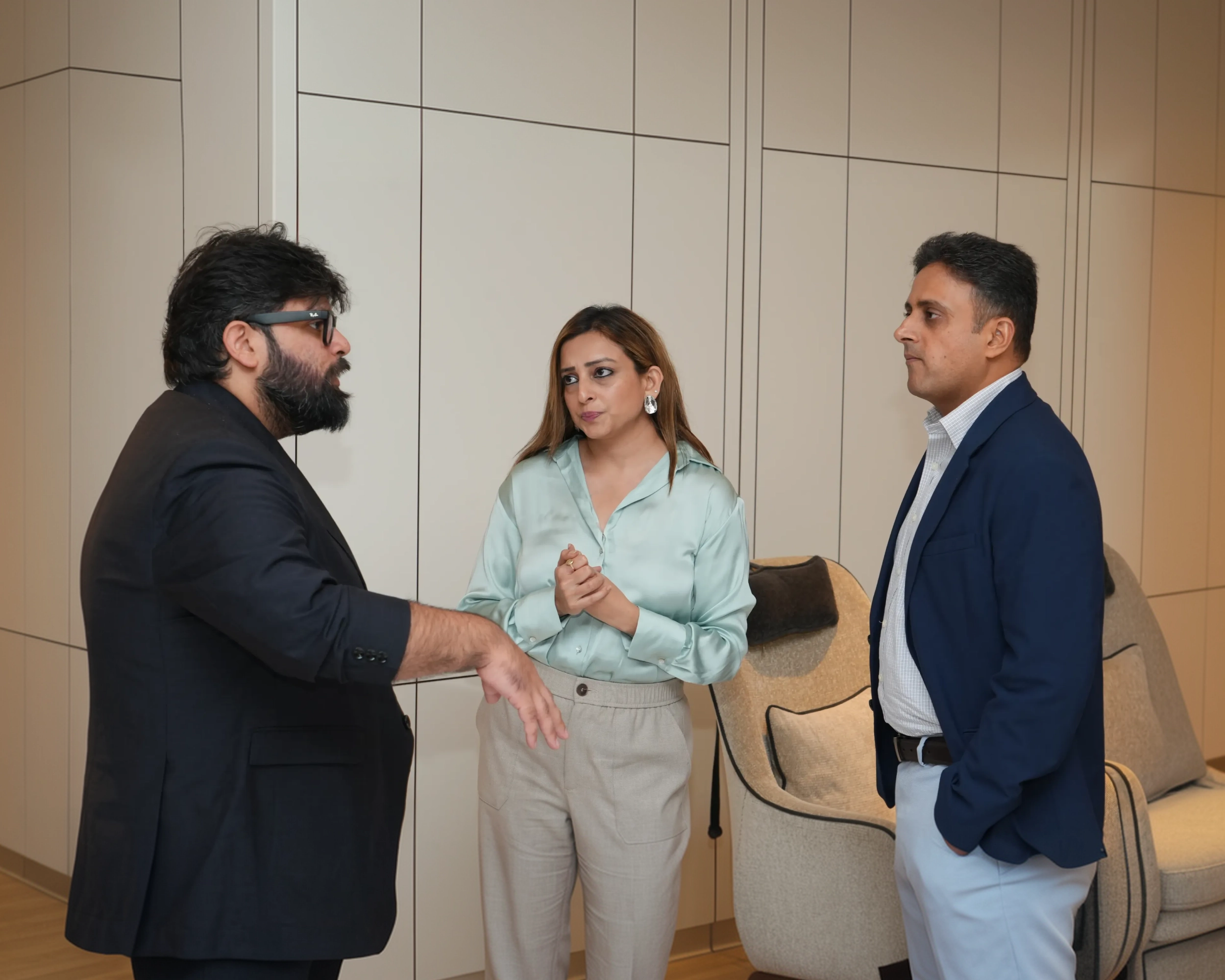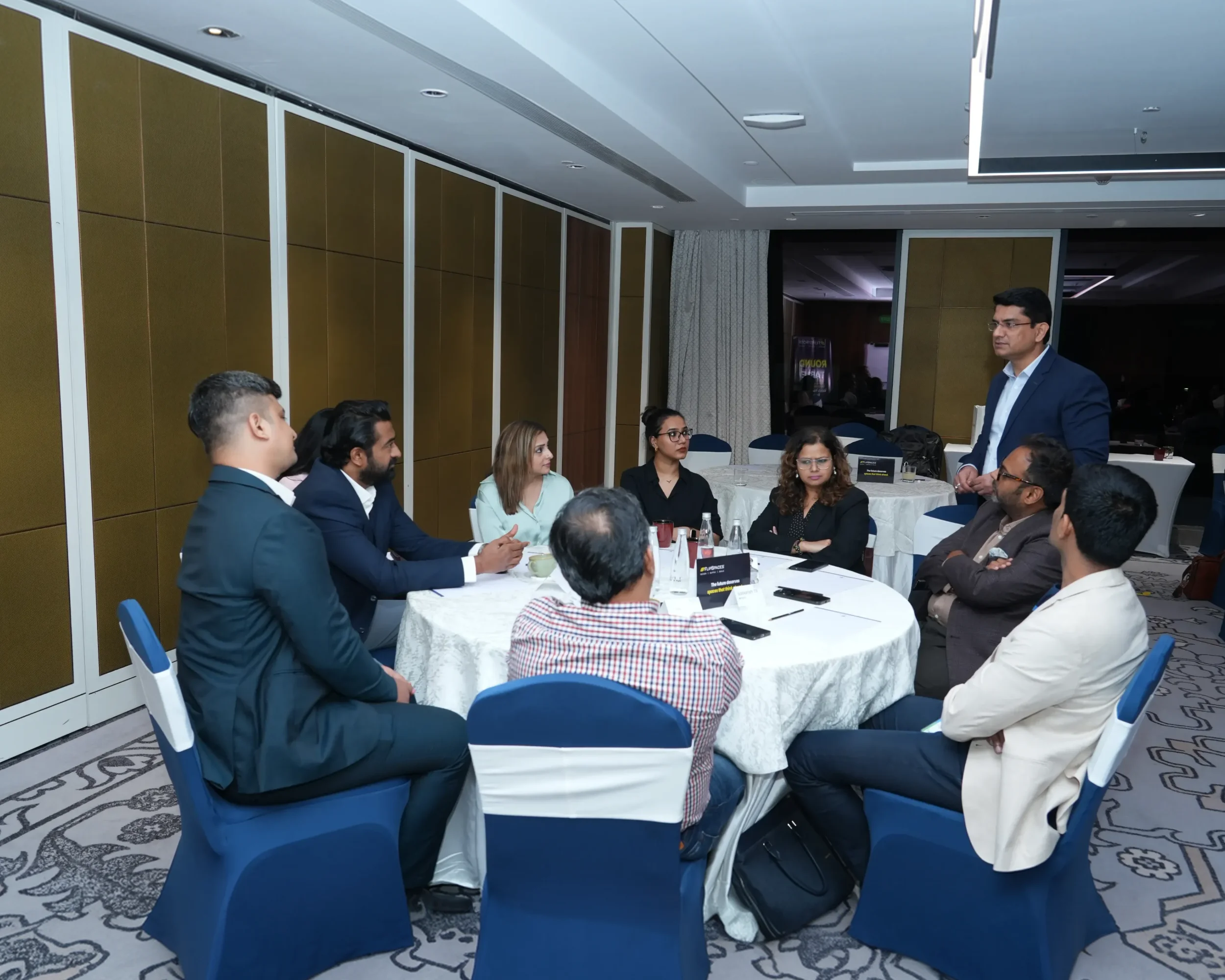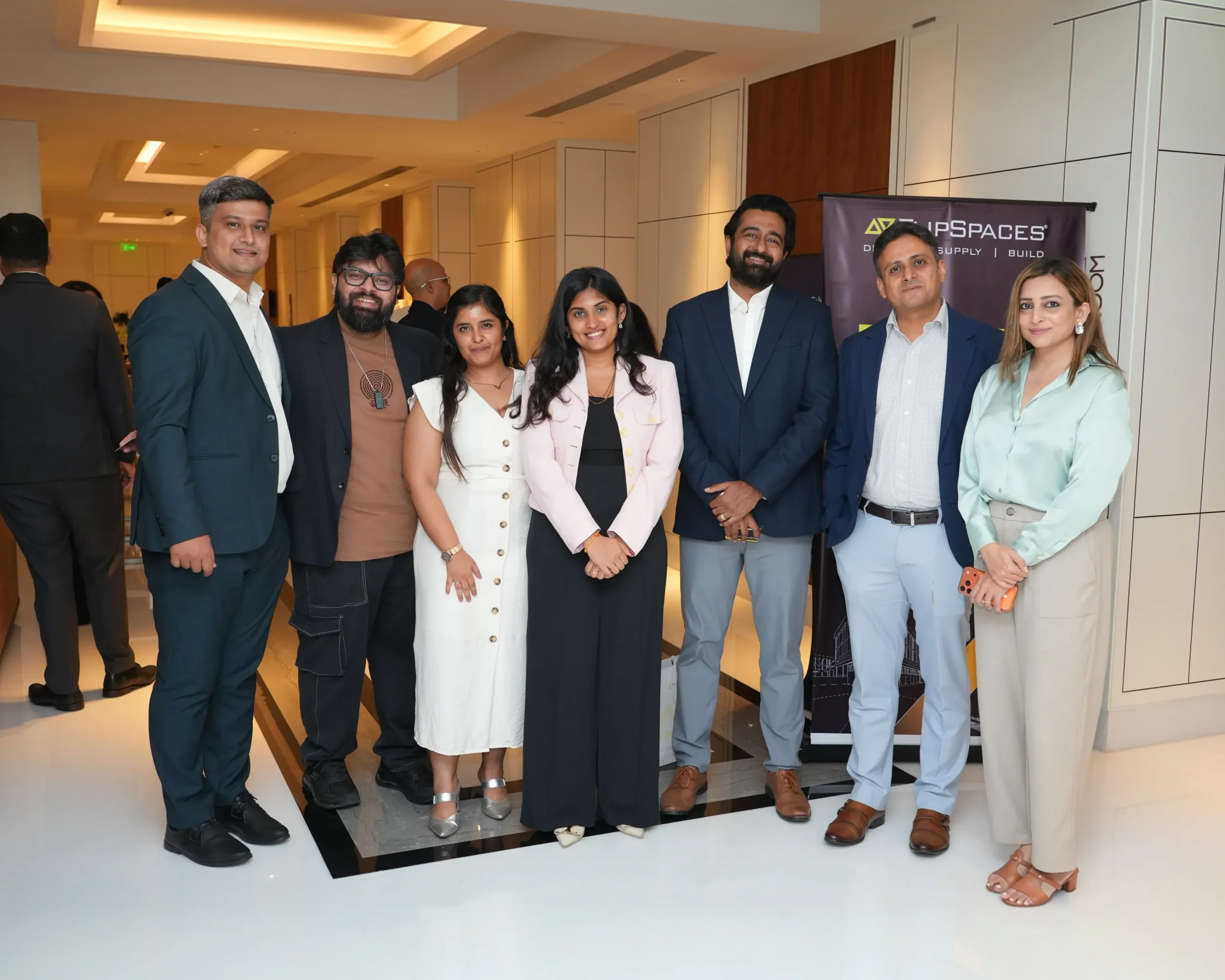
Flipspaces hosted a focused Round Table, The Future of Workplaces: Spaces 2050, at DoubleTree by Hilton, Whitefield, Bengaluru, bringing together 15 senior real estate, facilities and workplace leaders from technology, manufacturing, financial services, consumer brands and global capability centres.
The gathering provided a closed-door setting for peer-led conversations, free of panels and pitches. It opened with a short film, Spaces of 2050, which posed a central question: as AI absorbs more of the coordinating and note-taking that once brought people together, what is the office actually for? Participants then moved into three parallel breakout discussions on creativity, trust and meaning. Sessions planned for 20 minutes ran to nearly 45.
Several clear perspectives emerged. The best ideas rarely come from scheduled meetings, but from whiteboards, corridors and chance encounters, and space either permits that creativity or prevents it. Trust is built through small, unplanned interactions that many efficiency-driven layouts have quietly designed out. People return to the office for mentoring, learning and belonging, not for coffee and games. Real wellbeing lies in light, air, acoustics and choice rather than visible amenities.
The shared conclusion: the office is now where the things work cannot do alone get done, such as inventing, trusting, disagreeing well and belonging.